Exterior Surfaces That Protect Building Envelopes
Siding in Philadelphia for residential and commercial properties requiring weather protection and updated appearance
Siding forms the primary barrier between interior spaces and year-round weather exposure, shedding rain, blocking wind infiltration, and preventing moisture from reaching sheathing and framing members. Properties need updated siding when existing materials crack and allow water intrusion, when fading and deterioration compromise curb appeal, or when energy costs climb due to air leaks around poorly sealed panels. Fahey Roofing Siding, Doors, Inc installs siding systems across residential and commercial properties in Philadelphia, using materials and installation practices designed to withstand regional freeze-thaw cycles, summer humidity, and storm activity that tests exterior surface durability.
Siding installation involves removing compromised materials to expose the underlying wall structure, addressing any moisture damage or insulation gaps, and applying new panels with proper overlap and fastening patterns that allow for thermal expansion. Material choices include vinyl, fiber cement, engineered wood, and metal, each offering different maintenance requirements, impact resistance, and lifespan characteristics that property owners evaluate based on budget and aesthetic preferences.
Request a siding consultation to assess current exterior condition and review available material options.
Why Proper Siding Installation Works Long-Term
Quality siding work begins with house wrap or weather barrier application over sheathing to create a secondary moisture defense layer, followed by precise panel alignment that maintains consistent reveal lines and ensures water drains away from seams. Trim pieces seal edges around windows and doors, while corner posts and J-channels accommodate material movement without creating gaps. Fasteners are positioned to allow panels to shift slightly with temperature changes, preventing buckling during summer heat and cracking during winter cold.
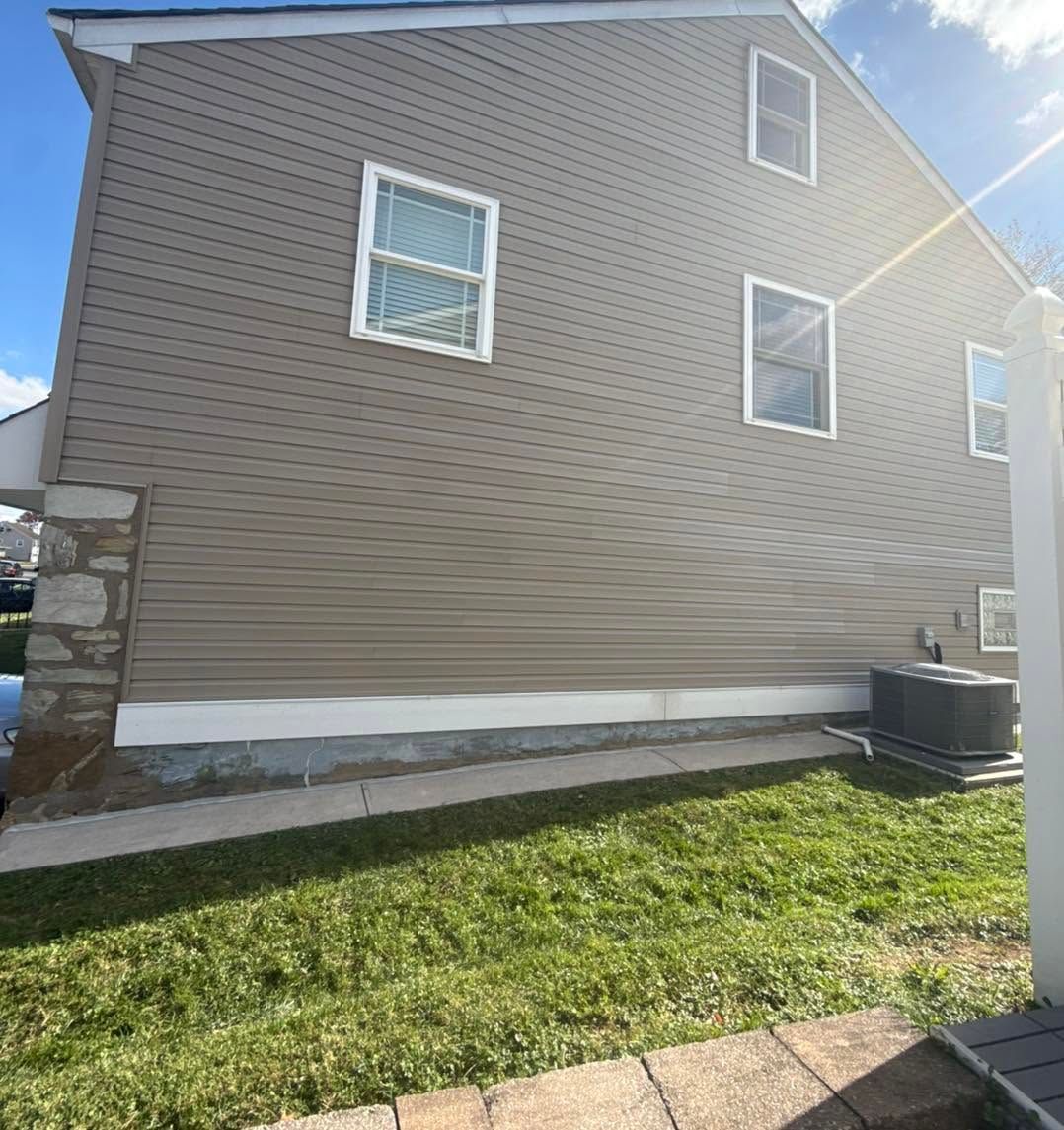
After installation completes, your property presents uniform color and texture across all wall surfaces, with no warped sections or visible gaps where panels meet trim. Interior walls remain dry during driving rain events that previously caused moisture intrusion, and heating costs decline as air infiltration decreases around the building envelope. The updated exterior appearance increases property value and eliminates concerns about ongoing deterioration that required frequent repair attention.
Siding materials vary significantly in longevity and maintenance demands: vinyl requires occasional cleaning but never needs paint, fiber cement offers superior impact resistance and fire ratings but weighs more and requires skilled installation, and engineered wood provides natural appearance at lower cost than solid wood but needs periodic finish maintenance. Selection depends on how long you plan to own the property and whether you prefer minimal upkeep or traditional aesthetics.
Common Questions About This Service
Property owners considering siding replacement often ask about material comparisons, project duration, and how installation quality affects performance.
What siding materials handle Philadelphia weather conditions most effectively?
Fiber cement siding resists moisture absorption during humid summers and doesn't crack from freeze-thaw cycles, while quality vinyl formulations maintain color and flexibility through temperature extremes without becoming brittle.
How long does residential siding installation typically take?
Most single-family homes are completed within five to ten days depending on size and architectural complexity, with crews working to weatherproof each section before ending the day so interiors remain protected.
What preparation work does siding installation require?
Existing siding is removed and disposed of, underlying sheathing is inspected for rot or structural damage requiring repair, and weather barrier materials are applied before new panels are installed.
When should I replace siding rather than repair damaged sections?
Replacement makes sense when more than 30 percent of panels show cracking or moisture damage, when you're changing exterior color or style, or when underlying sheathing has deteriorated due to water intrusion through failed siding.
What factors affect siding project costs?
Material selection, wall area including gable ends and dormers, number of window and door openings requiring trim detail, and the condition of existing sheathing all influence pricing, with additional charges for removing multiple siding layers or repairing structural damage.
Fahey Roofing Siding, Doors, Inc provides material samples and detailed estimates that compare options based on your performance priorities and aesthetic goals. Arrange a property assessment to review siding choices and receive a comprehensive project proposal.